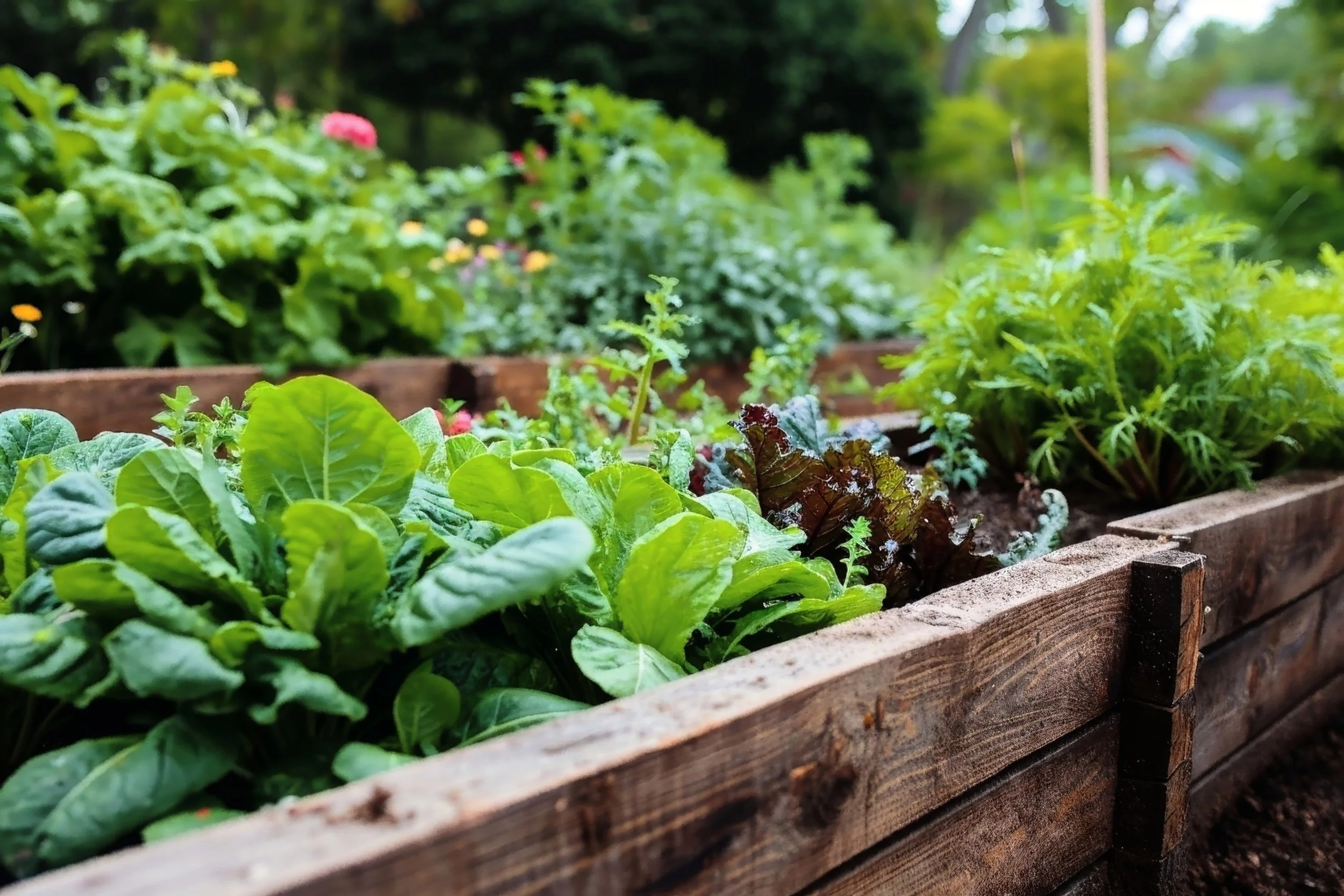
I never thought I'd become a gardener. I was the person who forgot to water the single succulent on my windowsill, who bought fresh herbs at the grocery store and watched them wilt in the fridge. Yet here I am, now I have to say I am not your conventional gardener. Some may call it cheating but for a busy mom with a full time job this is what I have time for.
If you've been toying with the idea of starting a garden, this post is your nudge. You don't need a sprawling backyard, a green thumb, or any experience at all. You just need a little curiosity and the willingness to give it a try, I did and I am so glad!
Let's dig in.
Why Gardening? The Benefits Are Real
Gardening has been quietly proven to be one of the most rewarding hobbies you can pick up.
Mental Clarity
Tending plants reduces cortisol levels and has been linked to lower rates of anxiety and depression. It's meditative in the most hands-on way.
Physical Activity
Digging, planting, weeding, and watering are all light exercise. Gardening burns up to 300 calories an hour — better than most gym machines.
Grow Your Own Food
There is nothing like eating a tomato you grew yourself. Homegrown produce is fresher, tastier, and more nutritious than store-bought.
Help the Ecosystem
Native plants, pollinators, and birds all benefit when you garden. Your small patch becomes a living ecosystem contributing to local biodiversity.
Patience & Presence
Gardening teaches you to slow down. Plants grow on their own timeline — and learning to respect that is quietly transformative.
Community
Gardeners are generous. From seed swaps to shared harvests, this hobby has a way of connecting neighbors and building community organically.
How to Get Started (Even Without a Yard)
The most common misconception is that you need a lot of space. You don't. A sunny windowsill, a balcony, or a small patch of ground is more than enough to begin.
1. Start small, start easy Pick one or two beginner-friendly plants — herbs like basil, mint, or chives are forgiving, fast-growing, and immediately useful in the kitchen. Cherry tomatoes are another crowd favourite for first-timers.
2. Choose your container or plot No yard? No problem. A 12-inch pot on a sunny balcony will grow herbs, lettuce, or even small peppers. Raised beds are fantastic if you have outdoor ground space — they offer great drainage and are easy on your back.
3. Invest in good soil Soil is everything. A quality potting mix with compost will do more for your plants than any fertilizer. Don't skip this step — it's where all the magic happens underground.
4. Understand your sunlight Most vegetables and herbs need 6–8 hours of direct sun per day. Before buying plants, spend a day observing where the sun falls in your space. This one observation will save you so many failed harvests.
5. Water wisely Overwatering is the number one mistake new gardeners make. Most plants prefer deep, infrequent watering over a little every day. Stick your finger an inch into the soil — if it's dry, water. If it's still moist, wait.
6. Embrace failure as dataSomething will die. That's gardening. When it happens, don't quit — investigate. Was the light wrong? Did you overwater? Every dead plant teaches you something that helps the next one thrive.
What to Plant Right Now
We're in early June in Minnesota, which means the soil is warm and the growing season is beautifully in full swing. This is prime time to direct-sow beans, cucumbers, squash, and sunflowers. You can also transplant tomato and pepper seedlings outdoors — the frost risk is well past. If you want something almost instant, try a pot of fresh basil on your kitchen windowsill. You'll be snipping it into pasta within two weeks.
For flowers, zinnias and marigolds are joyful, fast-blooming annuals that also happen to repel pests — a beautiful and practical double win for a first garden.
The Real Harvest
The vegetables and flowers are wonderful — but the deeper reward of gardening is harder to describe. It's the quiet ten minutes in the morning before the day starts, checking how much a seedling has grown. It's the grounding feeling of being genuinely useful to something alive. It's the humility of learning that nature doesn't care about your schedule or your stress — it moves at its own magnificent pace, and you're just along for the ride.
I started with one pot of basil last spring. Now I have a raised bed of tomatoes, a corner of wildflowers for the bees, and a deep respect for people who've been doing this for generations. The soil didn't just grow plants — it grew patience, curiosity, and a part of me I didn't know was there.
Your garden is waiting. All it needs is you to begin.
